
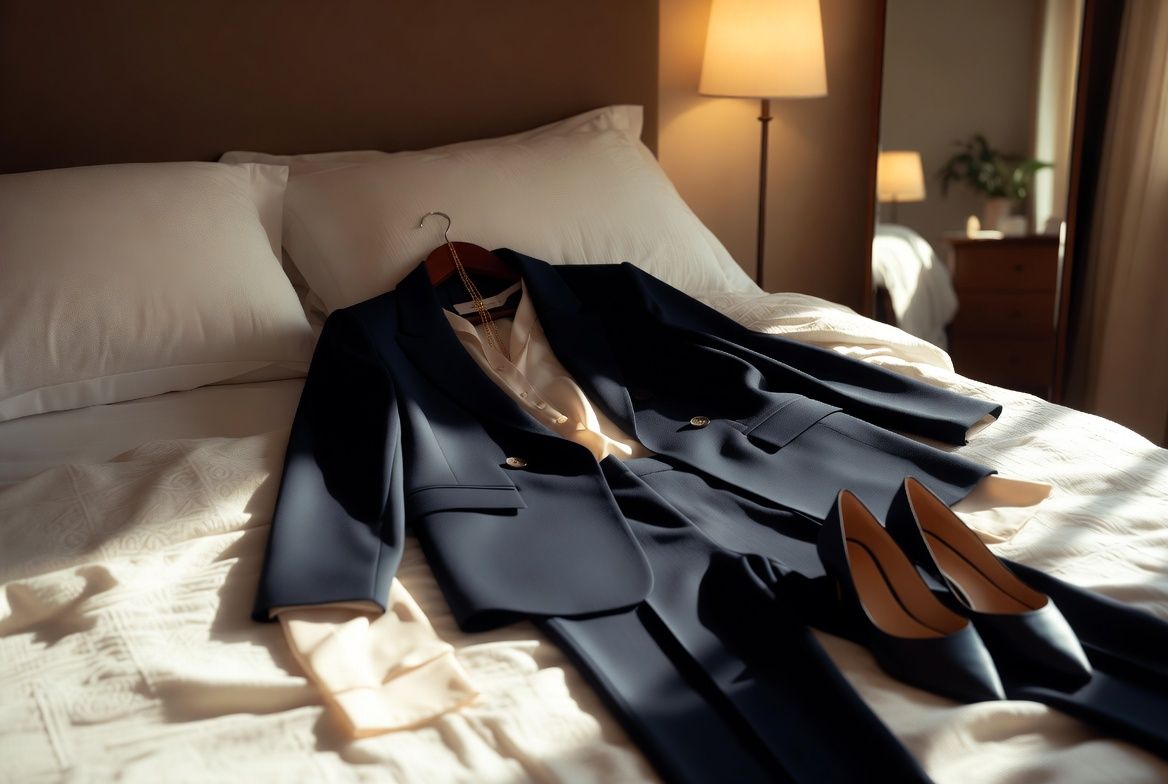
The interview dress code used to be simple: wear a suit. That advice is now wrong for more industries than it is right for. Dressing appropriately in 2026 means researching the specific company's culture and calibrating accordingly.
The dress code has fractured
As of 2026, there is no universal interview dress code. A candidate wearing a full suit to a tech startup interview looks out of touch. A candidate wearing jeans to a financial services interview looks unprepared. The "right" outfit depends entirely on where you are interviewing.
According to workplace attire surveys from SHRM, the percentage of companies with formal dress codes has declined steadily since 2019, accelerated by the shift to remote and hybrid work. Many companies that once required business formal now operate in business casual or even casual environments.
The one rule that still holds: dress at or slightly above the company's daily standard. If the team wears jeans and t-shirts, you show up in dark jeans and a blazer. If the team wears business casual, you show up in business casual with a polished edge. If the team wears suits, you wear a suit.
How to research before you choose
Check the company's social media accounts. Team photos on LinkedIn, Instagram, and the company blog show real employees in real settings. Look at multiple photos to find the pattern, not the outlier. One photo of a casual Friday does not mean the office is casual every day.
Glassdoor reviews sometimes mention dress code directly. A search for "[company name] dress code" may surface relevant results. If you are working with a recruiter, ask directly: "What is the typical dress standard for the team I would be joining?" This is a completely normal question and recruiters answer it regularly.
When in doubt, business casual is the safest default for most industries in 2026. Tailored pants (or a skirt), a clean top, and closed-toe shoes work across a wide range of settings without being overdressed or underdressed.
The practical details nobody mentions
Test your outfit by sitting in it. Shirts that gap at the buttons when seated, pants that ride up uncomfortably, skirts that shift when you cross your legs: all of these create distractions during the interview that compete for your attention.
Check your outfit from the waist up on camera if the interview is virtual. V-neck tops can appear more revealing on camera due to the downward angle. Busy patterns can create a distracting visual effect on video. Solid colors in muted tones (navy, gray, soft blue, white, black) typically look best on screen.
Shoes matter for in-person interviews. You may walk through a parking lot, across a large campus, or up stairs. Choose shoes you can move in comfortably for 20 minutes. Blisters from new shoes are not visible, but the discomfort affects your posture, your pace, and your focus.
Lay out your complete outfit the night before. Iron or steam anything that needs it. Check for loose buttons, stains, pet hair, and chipped nail polish. These seem like minor details, but they register unconsciously with interviewers who are forming an impression in the first 30 seconds of meeting you.
Expressing yourself without overdoing it
You should look like yourself in your interview outfit. If you never wear blazers, forcing one creates visible discomfort that the interviewer will read as nervousness. If you always wear bold accessories, removing all of them makes you feel stripped down and less confident.
The goal is a version of yourself that is polished and appropriate, not a costume. One piece of personality (a colorful scarf, a statement watch, interesting earrings) is enough to signal individuality without distracting from the conversation. The interviewer should remember your answers, not your outfit.
For parents getting dressed with small children in the house: wait until 30 minutes before you need to leave before putting on your interview clothes. Every parent has a story about a sticky hand or a spilled juice cup creating an outfit emergency. Have a backup option ready, even if it is just a second blouse hung on the closet door.
Virtual interview dress
Yes, wear real pants. You will feel more professional, and you never know when you might need to stand up unexpectedly (a child walking in, a doorbell, a spill). The psychological effect of being fully dressed also matters: studies on "enclothed cognition" from Northwestern University found that wearing professional clothing affects cognitive processing and self-perception.
Position your camera to capture from the chest up. Check what the camera sees in terms of color contrast against your background. A white shirt against a white wall washes you out. A dark top against a dark bookshelf makes you disappear. Choose a top that creates some visual contrast with your background.
One final consideration: comfort matters more than fashion. If a garment restricts your movement, makes you fidget, or requires constant adjustment, it will distract you during the interview regardless of how polished it looks. Wear something you have worn before, something you know fits well and stays in place. An interview is a performance, and your clothing should fade into the background so your answers stay front and center.