
A strong resume gets you through the front door. A strong online profile brings recruiters to your door. LinkedIn, Indeed, and job board profiles are where recruiters search before they post a role. Here's how to make sure they find you.
Your profile is a passive job search tool
When recruiters have a role to fill, many start by searching their networks and platforms before posting the job publicly. LinkedIn alone has over 1 billion members, and recruiters use its search function daily to find candidates by title, skills, industry, and location. If your profile is incomplete, uses the wrong keywords, or hasn't been updated since 2019, you're invisible to these searches.
The same applies to Indeed, Glassdoor, and specialized job boards. Many allow recruiters to search candidate profiles directly. An optimized profile doesn't guarantee inbound opportunities, but a neglected one guarantees you'll miss them.
LinkedIn: the non-negotiable profile
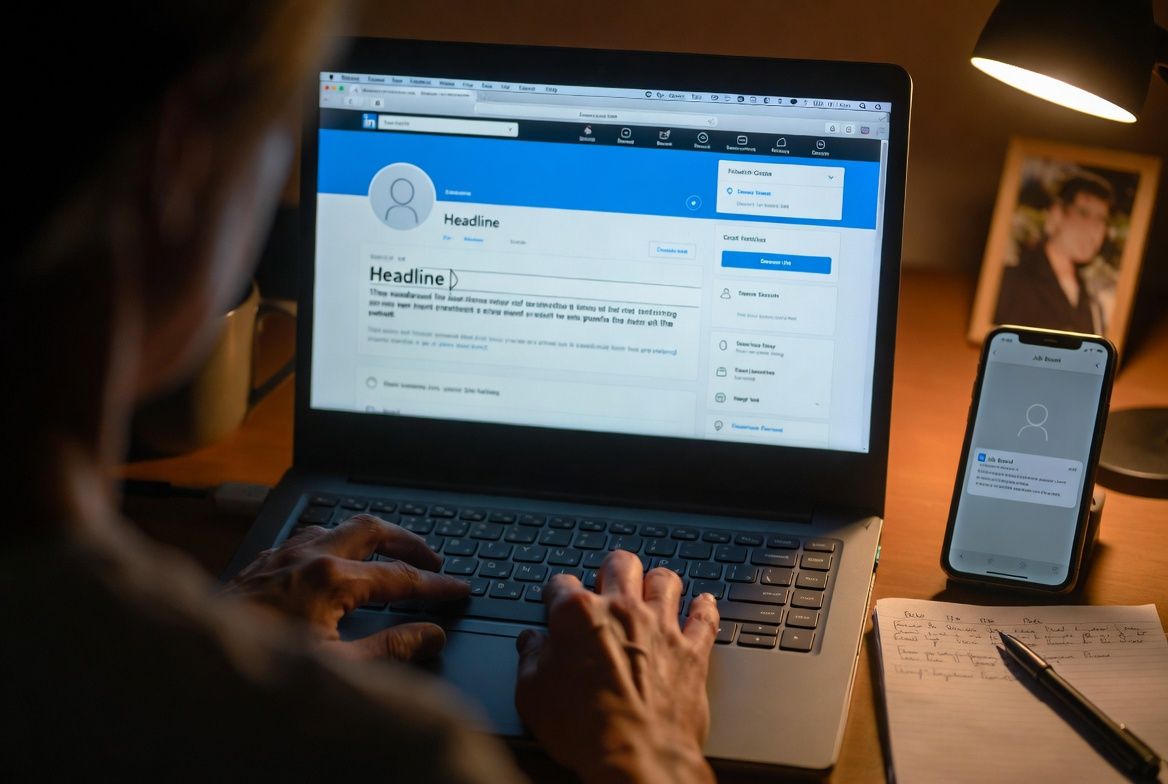
Start with the headline. The default is your current job title and company. That's fine if you're employed and not looking. If you're job searching, replace it with a keyword-rich headline that describes what you do and what you're looking for. "Operations Manager | Healthcare Logistics | Open to Opportunities" tells a recruiter scanning search results exactly what you bring. "Experienced Professional Seeking New Challenges" tells them nothing.
Your About section (formerly Summary) is 2,600 characters. Use the first 300 wisely because that's all that shows before "see more." Lead with your professional identity, your specialty, and one accomplishment. Then use the rest to expand on your experience, your career focus, and what kind of roles you're targeting.
The Experience section should mirror your resume but can be more detailed. LinkedIn doesn't have the same space constraints. Include context that doesn't fit on a two-page resume: the company's industry and size, the team you led, the scope of projects. This additional context helps recruiters evaluate fit without needing to open your resume.
Skills matter for search. LinkedIn's algorithm surfaces profiles that match skill keywords in a recruiter's search. Add every relevant skill (up to 50) and ask former colleagues to endorse the most important ones. Endorsements are a lightweight signal, but they push your profile higher in search results.
The photo and banner
Profiles with photos receive 21 times more views than those without. Use a professional headshot (see our guide on taking one at home). The banner image is free real estate: use it to reinforce your professional brand. A simple banner with your specialty area, a clean graphic related to your industry, or even a solid color with your contact info works.
Indeed and other job boards
Indeed's resume database is searched by employers and staffing agencies constantly. If you've uploaded a resume to Indeed, make sure it's current. An outdated resume in Indeed's system can result in calls about roles that no longer match your experience or interests.
Glassdoor, ZipRecruiter, and industry-specific boards (Dice for tech, Mediabistro for media, Idealist for nonprofits) each have profile systems. If you're active on a platform, complete the profile fully. Half-finished profiles suggest a half-interested candidate.
One thing that many job seekers overlook: privacy settings. If you're currently employed and searching discreetly, check the visibility settings on each platform. LinkedIn's "Open to Work" feature can be set to visible only to recruiters (not your current employer's recruiting team, in theory). Indeed allows you to make your resume "private" while still applying to specific postings.
Consistency across platforms
Recruiters check multiple sources. If your LinkedIn says you were a "Senior Marketing Manager" and your resume says "Marketing Lead," that discrepancy creates doubt. Title, dates, company names, and key accomplishments should match across every platform. Small differences (longer descriptions on LinkedIn, fewer bullet points on Indeed) are fine. Conflicting information is not.
The same applies to your professional narrative. If your LinkedIn tells a story about pivoting from finance to operations, your resume should tell the same story. Inconsistency makes a recruiter wonder which version is accurate.
Keep it current
Set a quarterly reminder to review your profiles. Update skills when you learn new tools. Add certifications when you complete them. Revise your headline if your job search focus shifts. A profile that was last updated 18 months ago signals disengagement, even if you're actively looking.
LinkedIn's algorithm also rewards activity. Posting, commenting, or sharing content keeps your profile visible in your network's feed. You don't need to become a LinkedIn content creator. One thoughtful comment on an industry article per week is enough to maintain visibility.
Start tonight: log into LinkedIn, update your headline to reflect what you do and what you're looking for, and complete any empty sections in your profile. Then check Indeed and one other platform you use. Fifteen minutes of profile maintenance is one of the highest-return activities in a job search.