
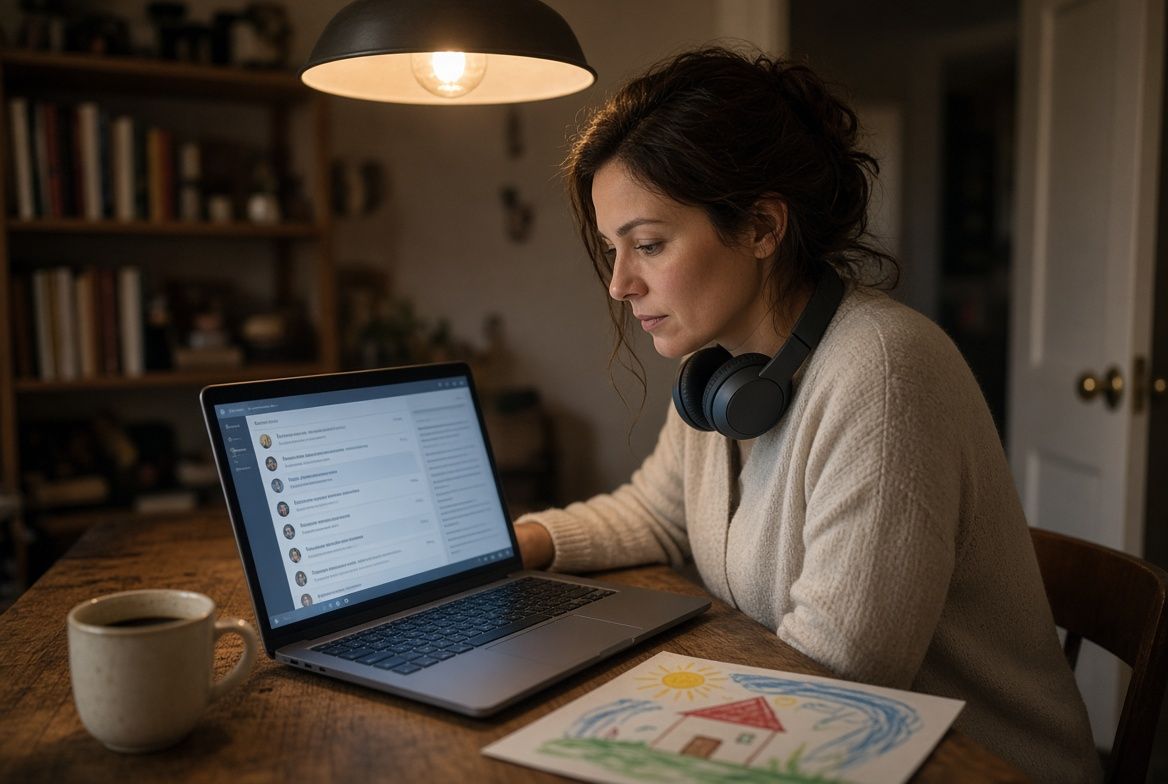
I managed a distributed team for three years before I realized that half our conflicts weren't about the actual disagreement. They were about the medium. Someone typed something blunt in Slack at 4:47 PM, the other person read it at 8 AM in a different mood entirely, and by noon we had a full-blown tension that could've been avoided with a five-minute call. Remote conflict isn't harder because people disagree more. It's harder because text strips out tone, timing creates gaps, and nobody can read the room when there is no room.
Why text-based conflict goes sideways fast
A study by Atlassian found that miscommunication in distributed teams is the leading driver of unnecessary conflict, ahead of personality differences or workload disputes. That tracks. When 90% of your workday communication is typed, people read your messages in their own emotional register, not yours. A factual "Can you explain why this wasn't in the brief?" becomes an accusation depending on whether the reader is caffeinated or running on three hours of sleep because the baby was up all night.
Written communication lacks the vocal cues that soften directness. In person, you'd say that same sentence with a shrug and a half-smile and it would land completely differently. Over Slack, it lands however the reader's morning is going.
The instinct when conflict appears in a chat thread is to keep typing. Clarify. Add context. Send another message. This almost always makes it worse. More words in the same broken medium don't fix a medium problem.
The channel decision matters more than your phrasing
Here's something the corporate communication training never covers: the single most important conflict resolution skill in remote work isn't empathy or active listening (though both help). It's choosing the right channel before you respond at all.
Use Slack or Teams chat for one thing only: clarifying facts. "Did you mean the Tuesday deadline or Thursday?" "Which version of the deck are you referencing?" If the answer requires more than two exchanges, you've outgrown chat. Move.
Email works when you need a paper trail or when the conflict involves specific details that benefit from being written out, re-read, and referenced later. If you think HR might eventually need to see this exchange, email is your friend. It also forces a slower pace, which can help when emotions are running hot.
A video call or phone call is the right move for anything involving tone sensitivity, hurt feelings, or a disagreement that's gone beyond one exchange without resolution. Research from Gallup's workplace reports consistently shows that remote workers who feel disconnected are more likely to misinterpret neutral communication as hostile. A live conversation, even a short one, resets the emotional baseline in a way that no amount of careful typing can replicate.
The schedule collision nobody talks about
If you're a parent working remotely, your conflict window is different from everyone else's. You might see an irritating message at 3:15 PM, right when you're leaving for school pickup. You can't respond in the moment. By the time you sit back down at 4:30, the frustration has had an hour to marinate, and now your response carries more edge than the original message warranted.
This is a structural problem, not a personal one. Flex schedules mean team members hit different emotional peaks throughout the day. The person who sent that blunt 4:47 PM Slack message was probably wrapping up fast to make dinner. The person reading it at 8 AM the next day is starting fresh and processing it as the first thing they see. Neither person did anything wrong. The timing did the damage.
One tactic that actually works: when you notice irritation rising from a message, set a timer for 20 minutes before responding. Not to calm down (though that helps), but to force yourself to evaluate whether this needs a typed response at all. Half the time, a quick "Hey, can we hop on a call for 5 minutes tomorrow?" resolves what would have become a 14-message thread.
When your manager needs to get involved
Escalation in remote work has a specific problem: there's no hallway where you casually mention something to your boss. Everything feels formal. You're either sending a message or scheduling a meeting, both of which feel like "making it a thing."
Frame it as asking for input, not reporting a problem. "I'm working through a difference of opinion with [person] about [project]. I've tried [what you tried]. Can I get your take on the approach?" This gives your manager context without positioning it as a complaint. Most remote managers, according to the Buffer survey, say they'd rather hear about friction early than discover it after a deadline is missed.
If you're the manager on a distributed team, build the conflict surface area before problems arrive. A weekly 15-minute check-in where you ask "What's frustrating you this week?" catches things that would otherwise fester for months in a remote setting. Don't wait for your team to come to you. They probably won't, especially if they're already stretched thin juggling work and caregiving.
This week's move
Look at the last conflict or tense exchange you had at work. What channel did it happen on? Now ask yourself: was that the right channel for that conversation? If the answer is no, you've found your pattern. Next time friction shows up in a chat thread, move the conversation to a call before message three. That single habit change will prevent more remote conflicts than any communication workshop.