
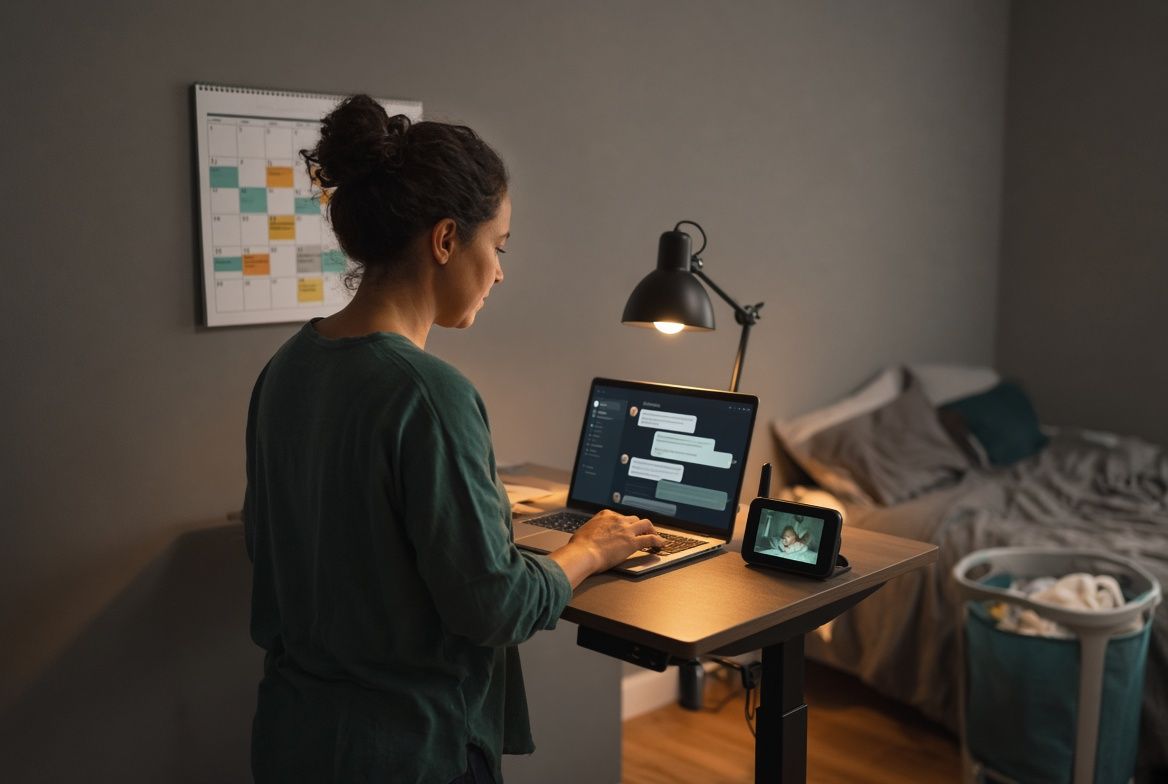
My first week back after maternity leave, I sent 47 Slack messages and got maybe six replies that first day. Nobody was ignoring me. The team had developed new rhythms while I was out, channels had shifted, and the person I used to coordinate with daily had moved to a different project. I was communicating into a structure that no longer existed the way I remembered it. Returning to remote work after any kind of break isn't just about catching up on projects. It's about re-learning how your team talks to each other, because that changes faster than anyone documents.
The information gap is a communication gap
When you return to an in-office job after leave, you absorb context passively. You overhear conversations. You see who sits next to whom now. You pick up on the new inside jokes. Remote teams don't give you any of that. Every piece of context has to be actively sought, which means your first two weeks back are essentially an information-gathering mission disguised as a return to work.
Start by reading, not writing. Spend your first day scrolling through the main Slack channels, project boards, and any shared documents that were updated while you were out. You're looking for three things: who's leading what now, which communication channels are active (and which went quiet), and what decisions were made that affect your work. The DOL Women's Bureau publishes data on workplace re-entry patterns, and across industries, the first two weeks back are when returning workers are most likely to feel disoriented. That feeling is normal. It's also temporary, but only if you invest in the information-gathering phase instead of trying to jump straight into output mode.
Over-communicate for the first month (then dial back)
There's a window, roughly the first three to four weeks, where over-communication is your best strategy. Not because you're insecure, but because your team needs to recalibrate their mental model of you. They've been operating without you. They need signals that you're back, engaged, and available.
What this looks like in practice: send a brief weekly update to your manager and immediate team. Three to five bullet points. What you worked on, what you're focused on next, where you need input. This isn't micromanagement of yourself. It's re-establishing presence in a medium where presence is measured by visible activity, not physical attendance.
Ask questions publicly in channels rather than privately in DMs, when the topic isn't sensitive. This does two things: it shows the team you're actively engaging, and it surfaces information that others might also need. One of the hardest parts of returning to a remote team is the feeling that everyone else knows things you don't. Asking questions in shared spaces closes that gap faster than any onboarding document.
Re-learning the communication norms
Teams drift. The Slack etiquette that existed six months ago might not be the current standard. Maybe the team switched from long-form updates in email to quick async video updates through Loom video. Maybe standup meetings moved from daily to twice weekly. Maybe someone introduced a new project management tool and half the team is using it while the other half isn't.
Don't assume the processes you remember are still active. Ask your manager directly: "What's changed in how the team communicates since I left?" It's a simple question that can save you weeks of sending messages in the wrong format to the wrong channel.
For working parents returning from maternity or parental leave specifically, there's an additional layer. Your schedule constraints may be new to the team. If you're now unavailable from 2:30 to 4:00 for school pickup, or if you need to block time for pumping, communicate these boundaries directly in your first week. Put them on your calendar. Set your Slack status. Tell your manager in a one-on-one, not just in a group message. According to Owl Labs research, 68% of parents worry that caregiving responsibilities will affect how their performance is perceived. Proactive communication about your schedule reduces that anxiety for everyone involved.
Building trust back through documentation
Trust in remote teams is built on reliability, and reliability is demonstrated through follow-through that people can see. When you're new (or returning, which feels similar), the fastest way to build trust is to document your work visibly.
Update project boards after completing tasks, not at the end of the week. Summarize meeting decisions in writing and share them in the relevant channel. When you say you'll do something, do it, and then confirm completion in a visible place. This sounds basic. It is basic. But when you're returning from a break and your team is quietly assessing whether you're "really back," visible documentation of your work replaces the physical presence cues that an office would provide.
This week's move
If you're returning to a remote team (or recently did), send one async update this week. A short Slack message or a two-minute Loom video summarizing what you're working on and one question you have for the team. Don't overthink it. The point isn't perfection. The point is a visible signal that you're engaged, available, and building momentum.