
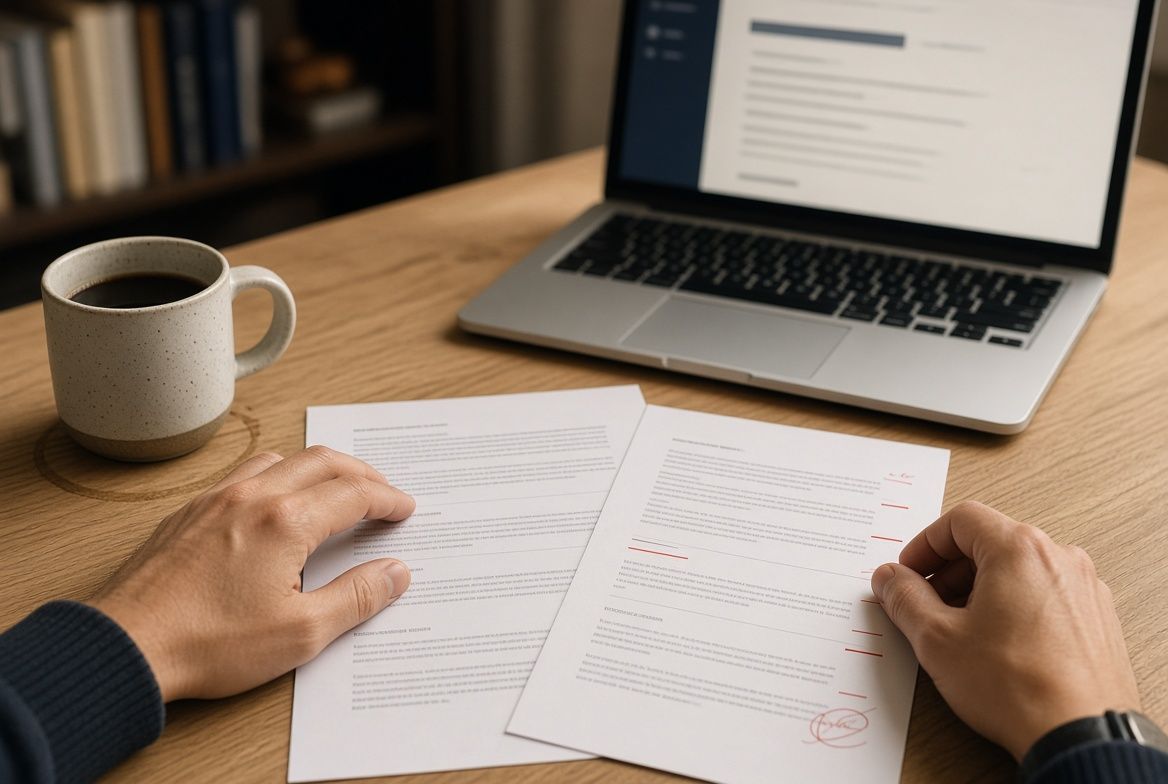
How to Write a Resume That Actually Gets You Interviews
A practical, no-fluff guide to building a resume that survives ATS screening and holds a recruiter's attention past the 7-second scan.
resume writingATS optimizationjob search

Blog
Expert articles on job search, remote work, working parenthood, and workplace culture.
80 articles found
A practical, no-fluff guide to building a resume that survives ATS screening and holds a recruiter's attention past the 7-second scan.

Between deciding to resign and walking out the door, there's a sequence of steps that determines whether you leave with your reputation intact.

Most promotion conversations fail because they happen too late with too little evidence. The people who get promoted build their case months before the ask, and they document it in a format managers can actually use.
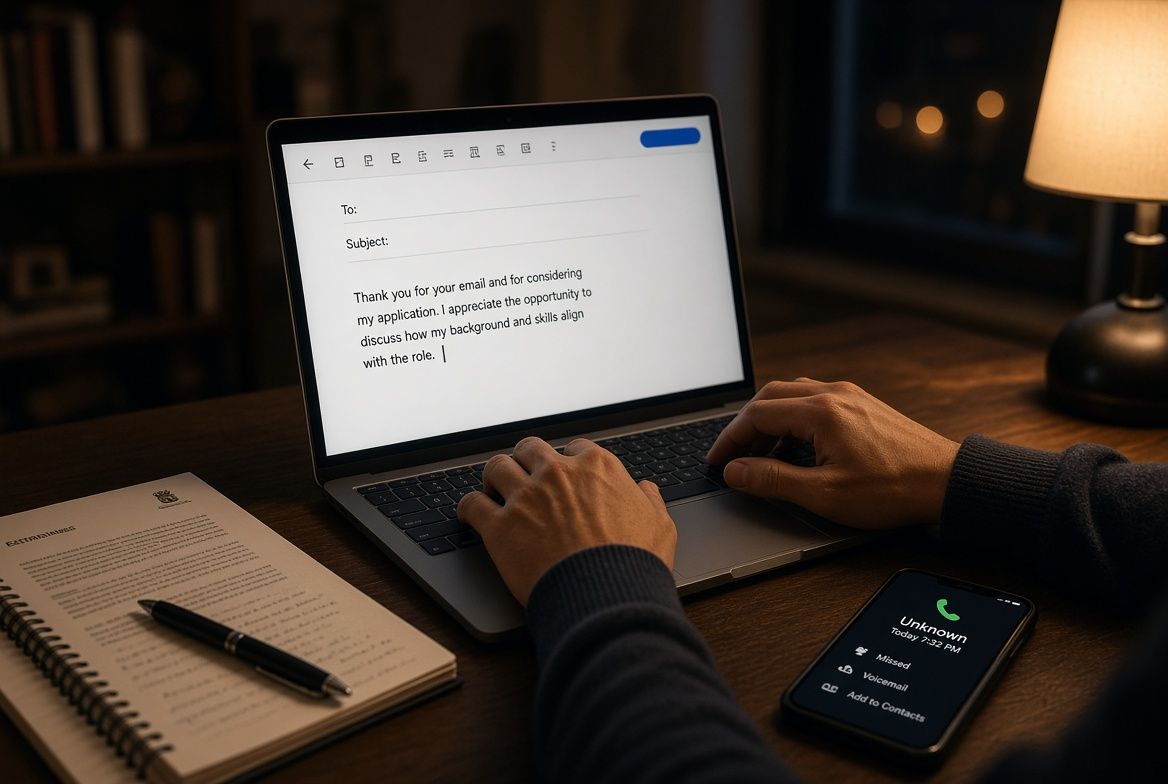
Your response to a job offer sets the tone for the negotiation and the relationship. Here's how to get both right from the first sentence.

Video interviews test a different set of skills than in-person meetings. Camera presence, digital body language, and technical setup all affect how interviewers perceive you.

Courses and certifications do more than add lines to your resume. They connect you with professionals in your target field who become referral sources, collaborators, and allies.

You've built skills and produced results. Now make sure the right people know about them, without becoming the person everyone mutes on LinkedIn.

Parenting develops real professional competencies that hiring managers recognize, even when candidates don't. The problem isn't the skills. It's that parents have been trained to discount them.

A working mom's honest guide to which AI career tools deliver results and which ones overpromise, especially for career relaunchers.

LinkedIn gets all the attention, but other platforms can be just as effective for building professional connections. Here's where to invest your time.

Interviewers keep asking the same questions because the questions work. Here is how to prepare answers that sound natural, not rehearsed.

A step-by-step checklist organized by timeline so you know exactly what to do days before, the night before, the morning of, during, and after your phone interview.